
The Mystery of the Missing Pinball Table - Why Microsoft Deleted Space Cadet
January 29, 2026
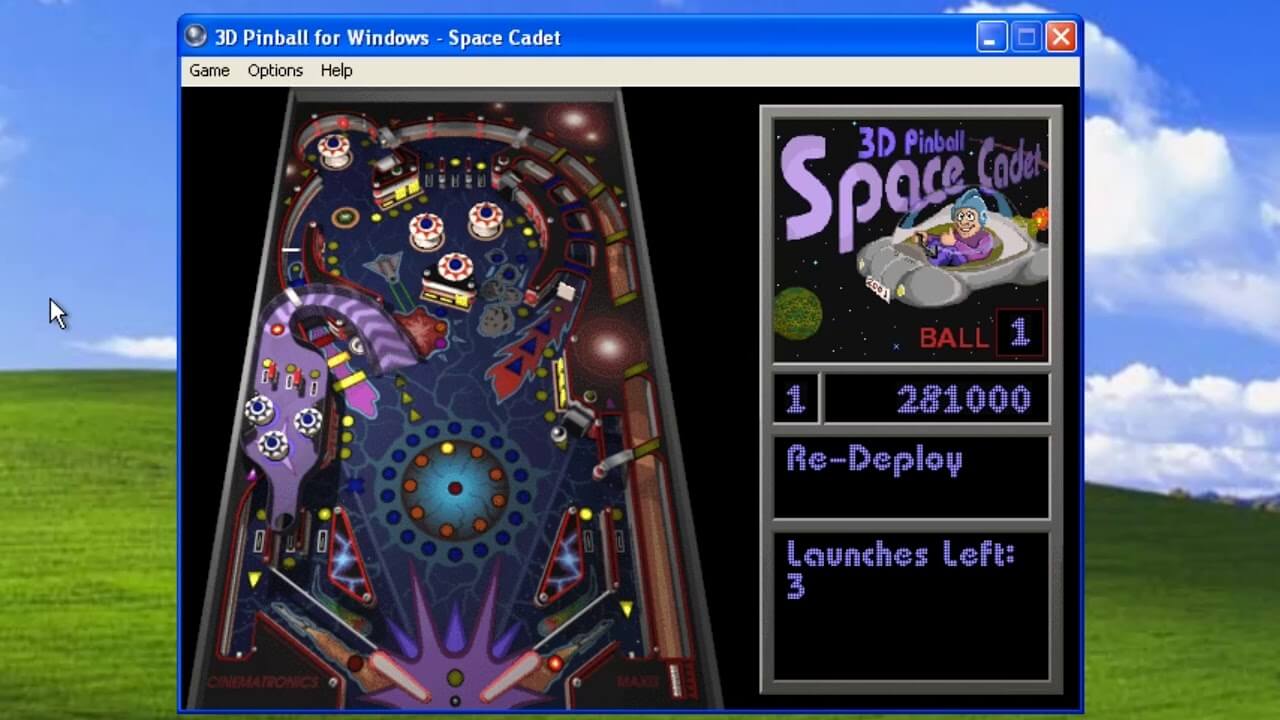
If you grew up with a computer in the early 2000s, you know the sound. The mechanical clack-clack of the flippers. The futuristic hum of the wormhole. The satisfying ding of hitting a bumper.
3D Pinball: Space Cadet was more than just a game. It was the savior of boredom. It was what you played when the internet went down. It was what office workers played while pretending to check spreadsheets.
But when 64-bit versions of Windows XP shipped, and later when Windows Vista launched in 2006, millions of users noticed something tragic. The game was gone from those editions (though it remained in 32-bit XP).
For years, people assumed Microsoft deleted it because it was "too old" or because they wanted to promote newer games, or even for legal reasons. The real reason is much stranger. It involves a critical programming error in the 64-bit port that broke collision detection.
It Wasn't Actually Made by Microsoft
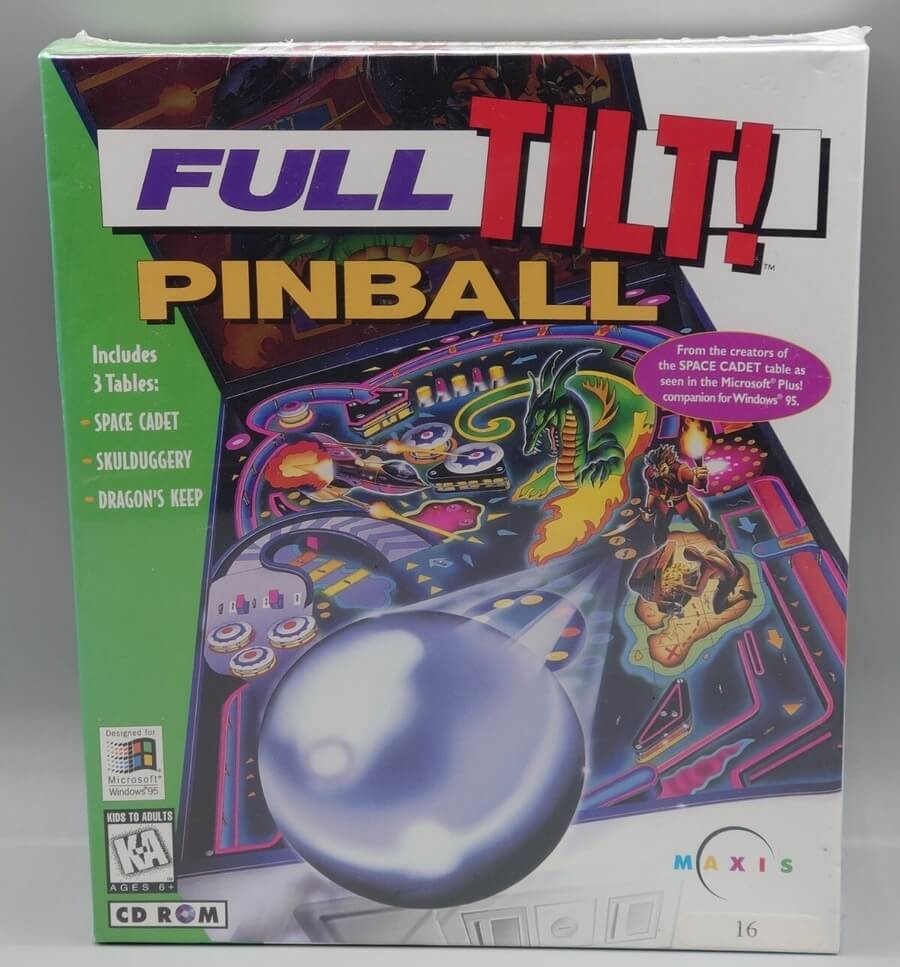
Most people don't know that Space Cadet was actually a demo. It was one of three tables from a retail game called Full Tilt! Pinball, developed by a company called Cinematronics in 1995. Microsoft licensed the "Space Cadet" table to show off the graphics capabilities of Windows 95 Plus!.
It became so popular that they kept including it in Windows NT, Windows Me, Windows 2000, and finally Windows XP (32-bit versions only).
The 64-Bit Disaster
The problem started when Microsoft began building the 64-bit version of Windows XP. They had to port millions of lines of code from the old 32-bit architecture to the new 64-bit standard.
When they tried to compile and run 3D Pinball for the new system, something went wrong.
One of the engineers tasked with the port, Raymond Chen, later revealed the issue on his blog. He and a colleague described a glitch that made the game unplayable. When you launched the game and the ball was delivered to the launcher (the plunger), it didn't stay put or bounce properly.
Instead, the ball phased right through the plunger like a ghost. It would slowly sink straight through and fall out the bottom of the table, ending the game almost immediately.
The Collision Bug
The issue was a collision detection failure. The computer could no longer reliably calculate where the ball was in relation to the objects on the table. It was likely caused by an obscure floating-point precision or rounding error introduced by the 64-bit architecture.
Because the original code was written by an outside company years earlier, it lacked comments and documentation. The Microsoft engineers were staring at a block of complex math without a map. They tried to debug it but couldn't even locate the collision detection code properly, let alone understand or fix the root cause.
At the time, Microsoft was rushing to get Windows XP 64-bit Edition ready for release. They had millions of critical lines of system code to port. Spending days (or more) reverse-engineering a free pinball game from 1995 simply wasn't feasible.
So they made the hard choice. They left the files out. 3D Pinball was dropped from 64-bit Windows XP, and it was never brought back for Windows Vista or later versions.
Playing It Today
For years, the only way to play was to install an old copy of 32-bit Windows XP or try to extract and run the files on modern machines (often with compatibility tweaks).
But in the spirit of digital preservation, enthusiasts have brought it back in various forms, including reverse-engineered versions that work on modern systems and even web-based emulations. The physics are fixed where needed. The sounds are crisp. And the ball definitely collides properly.
You can play the full version of 3D Pinball: Space Cadet right now in our Apps section. No installation required.