
The Day the Web Died - Why Flash Player Was Killed Off
February 2, 2026
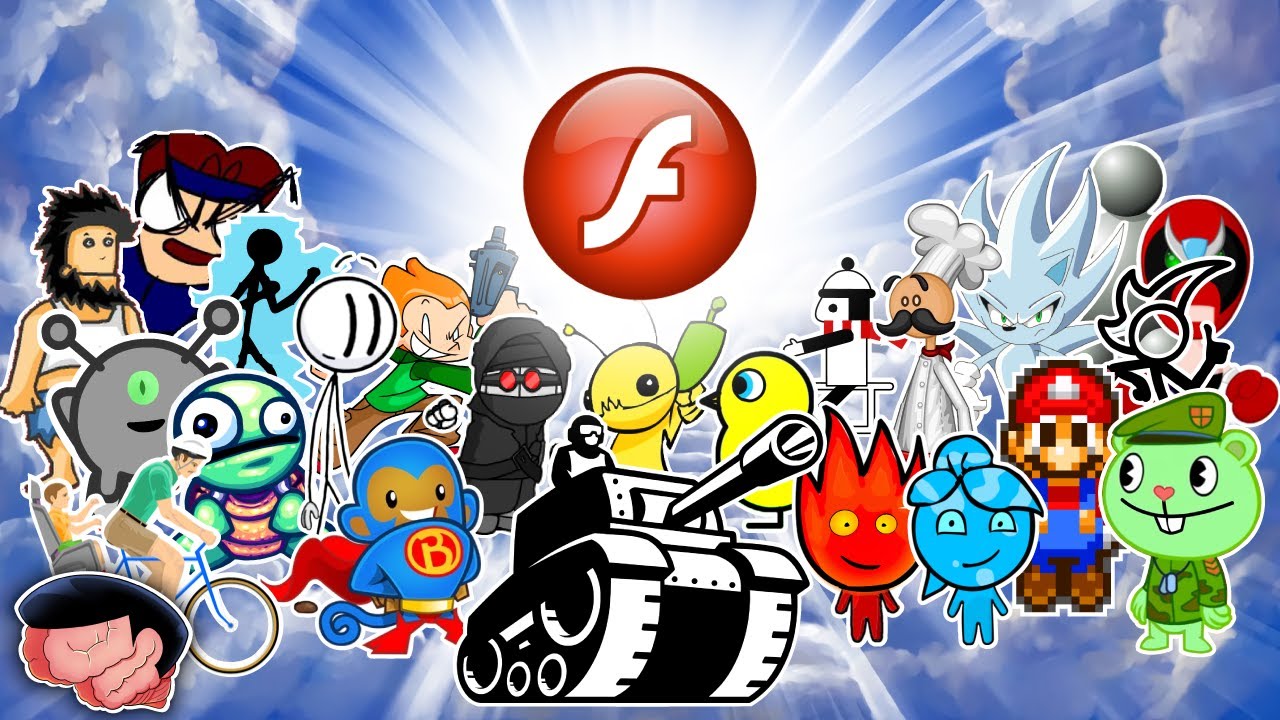
If you grew up on the internet in the 2000s, you know the symbol. That little dark gray puzzle piece. Or the bright red "f" logo. It wasn't just a piece of software. It was the engine that powered an entire generation of creativity.
Newgrounds. Miniclip. Homestar Runner. YouTube. None of these could have existed without Macromedia (and later Adobe) Flash.
It made the web feel alive. Before Flash, the internet was mostly static text and images. Flash brought animation, sound, and interactivity to the browser. It allowed teenagers in their bedrooms to create games that rivaled professional studios. It created a wild, lawless, and incredibly creative era of digital history.
So why did the tech giants decide to kill it?
The Beginning of the End
The murder of Flash Player wasn't an accident. It was a planned execution, and the first shot was fired by Steve Jobs.
In 2010, the Apple CEO wrote a famous open letter called "Thoughts on Flash." He explained why the iPhone would never support it. He argued that Flash was insecure, drained battery life too fast, and was built for mice, not touchscreens.
At the time, people were furious. But looking back, he was right. As the web moved to mobile phones, Flash became a heavy, clumsy relic. It was full of security holes that hackers loved to exploit. HTML5 arrived as a modern, lightweight alternative that worked on every device without a plugin.
The Kill Switch
Adobe saw the writing on the wall. In 2017, they announced that Flash would reach its "End of Life" on December 31, 2020.
It sounded like a standard software update, but the real death blow came shortly after. Adobe ended support on December 31, 2020. No more updates or security patches. Then, on January 12, 2021, Adobe activated a block in Flash Player itself, preventing most content from running to eliminate security risks.
Browsers like Chrome and Firefox had already ripped out Flash support by the end of 2020 or early 2021.
Overnight (or more precisely, by mid-January 2021), millions of games, animations, and interactive art projects simply stopped working. It was a digital dark age. Huge chunks of internet culture were suddenly inaccessible, lost behind a "Plugin Not Supported" or blocked content error message.
How We Keep It Alive
At Quenq, we believe that software should never truly die. That's why we use Ruffle.
Ruffle is a modern, open-source emulator that runs old Flash content safely in your browser. It doesn't require a plugin. It doesn't have the security risks of the old Adobe player. It just translates that classic code into something modern browsers can understand.
It means the Golden Age isn't gone. You can still play the games. You can still watch the animations. You can still experience the chaotic creativity that built the modern web.
We have curated the best of this era in our Arcade, and provided a standalone player for your own SWF files in The Apps.